Keeping the crew small and travel local

01.

1
Around 16 cast and crew worked on the production, alongside around six supporting artists.

02.

2
The crew often carpooled to reduce journeys.

03.

3
Where possible, the team stayed at the filming location, helping to reduce travel and making the shoot more practical.

04.

4
Having a small crew based together also made it easier for Heads of Department to communicate with their teams about avoiding unnecessary material use and waste.
Working with what was already there

01.

1
The production couldn't afford a generator, so the team used LED Sky Panels alongside natural light instead.

02.

2
Polystyrene sheets used during production were kept for reuse rather than being ripped up and thrown away.

03.

3
The production team looked for opportunities to reuse materials rather than buying new wherever possible.

Giving production design materials a second life

01.

1
Materials were sourced from charity shops and clearances.

02.

2
A carpet and fireplace were salvaged from an old house and reused on set.

03.

3
After filming, materials were listed on Facebook Marketplace for local people to collect.

04.

4
By the end of the shoot, nothing from the production design went to landfill — everything was sold, given away or recycled.

05.

5
Some of the money from selling materials was even put back into the production budget.

Making catering work with the circumstances

01.

1
Catering was handled by the crew rather than bringing an external caterer to the production.

02.

2
Crew members took turns cooking one meal a day(This wasn't originally the plan, but COVID restrictions meant the catering team that had been offered couldn't travel to set).

03.

3
With the production location relatively far from other services and the team sharing accommodation, the approach also reduced additional travel.

Making catering work with the circumstances

01.

1
Catering was handled by the crew rather than bringing an external caterer to the production.

02.

2
Crew members took turns cooking one meal a day(This wasn't originally the plan, but COVID restrictions meant the catering team that had been offered couldn't travel to set).

03.

3
With the production location relatively far from other services and the team sharing accommodation, the approach also reduced additional travel.

Putting climate change into the story

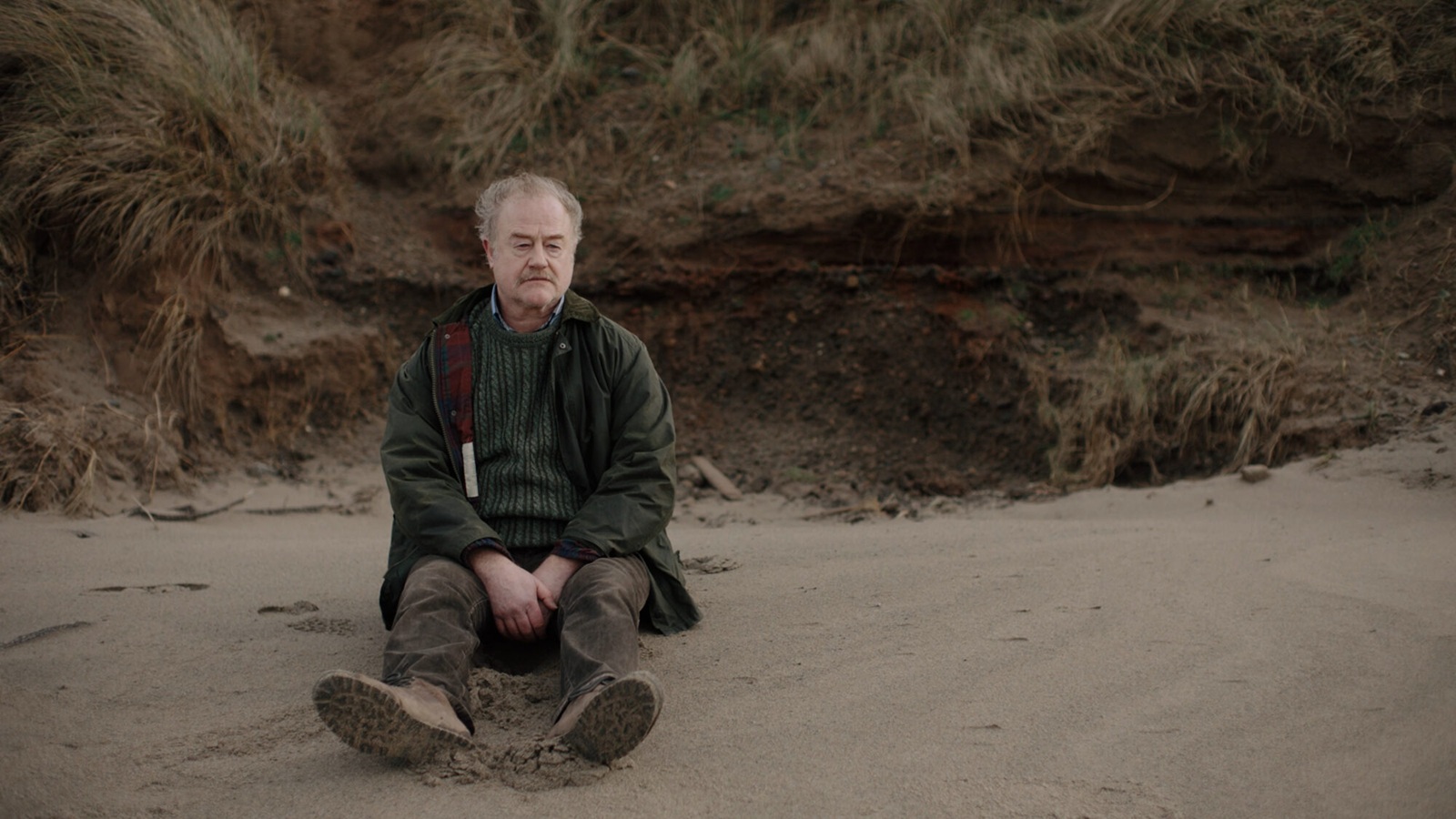
The environmental story in Salt Water Town is deliberately understated. Rising sea levels sit in the background of the father-and-son conflict, becoming increasingly difficult to ignore as the film progresses.

01.

1
The story was partly inspired by news about Fairbourne in Wales, where rising sea levels were threatening homes and businesses.

02.

2
The filmmakers used the sound of the ocean to create a growing sense of threat, with the sea becoming louder and more present as the story develops.

03.

3
Climate change becomes part of the character story, particularly for Glenn, a father who is used to being able to solve problems but is faced with something he can't control.

04.

4
Rather than explaining climate change directly, the film lets the audience experience its impact through the characters and their surroundings.

Salt Water Town shows how sustainability can be built into a production without needing a big budget or complicated solutions. A small crew made it easier to share transport and stay close to the shoot. Second-hand and salvaged materials became part of the set, then found new homes afterwards. Lighting choices helped avoid the need for a generator. And the team found ways to reduce additional travel when COVID changed their original plans.

The film also demonstrates how climate stories can sit naturally within a wider narrative. Rather than making climate change the whole story, Salt Water Town uses rising sea levels to deepen a story about family, place, inequality and the things people can’t always control.

As Producer Sarah Palmer puts it, sustainability doesn’t always need to mean spending more:
“You can use the low budget to your advantage to do these things. It really doesn’t take a lot to have separate bins for recycling or arrange for people to share transport. You’ve got to look for opportunities, like selling materials back and reusing things.”

This case study was undertaken with the support of the BFI, awarding funds from the National Lottery, as part of the Sustainable Screen Fund to support BFI National Lottery awardees in building environmental understanding and taking action on positive environmental change.