When Bournemouth University student James Killick began developing his graduate project, he knew he didn’t want to simply talk about the climate crisis – he wanted people to feel it. The result was Cryosphere: A Public Meltdown, an immersive event that blends projection mapping, documentary storytelling and live theatrics to drop audiences directly into the heart of a glacier.
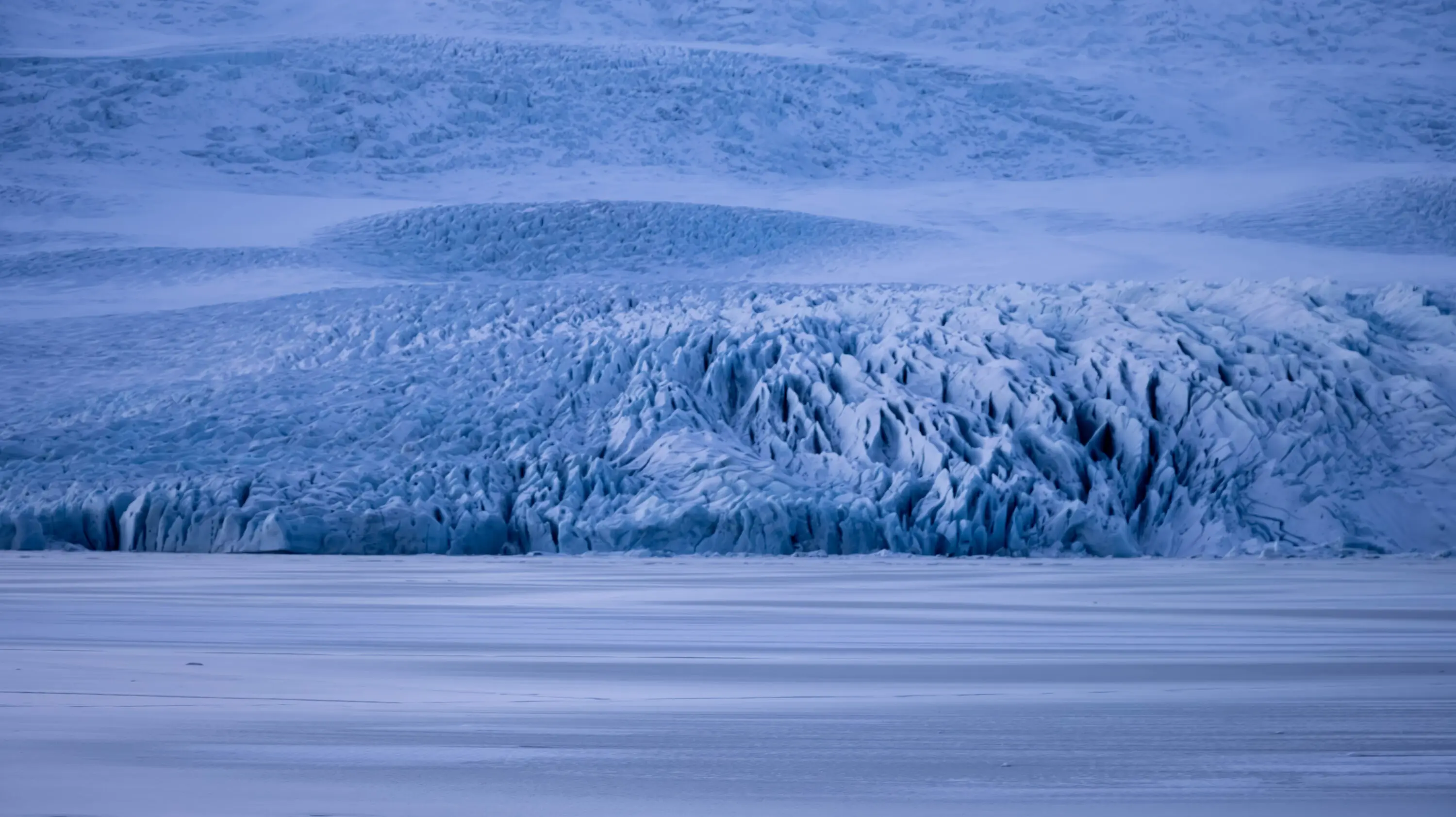
The event’s intention was clear: consciousness first, conversation second. By the end of each session, Killick watched viewers talk amongst themselves – processing what they had just seen and what it meant. “It was affirming. They weren’t just spectators, they were participants. That dialogue was the metric of success.”
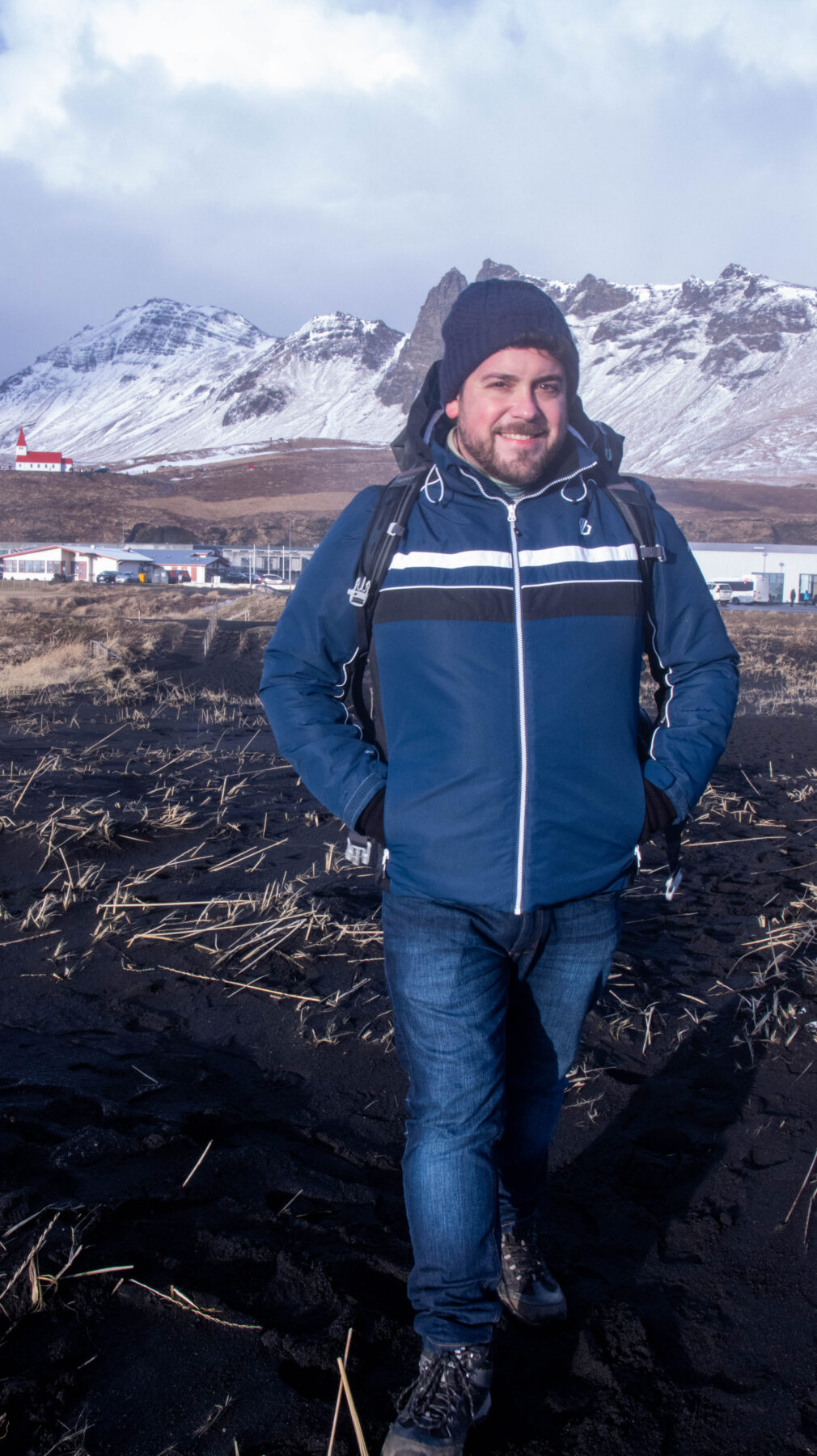
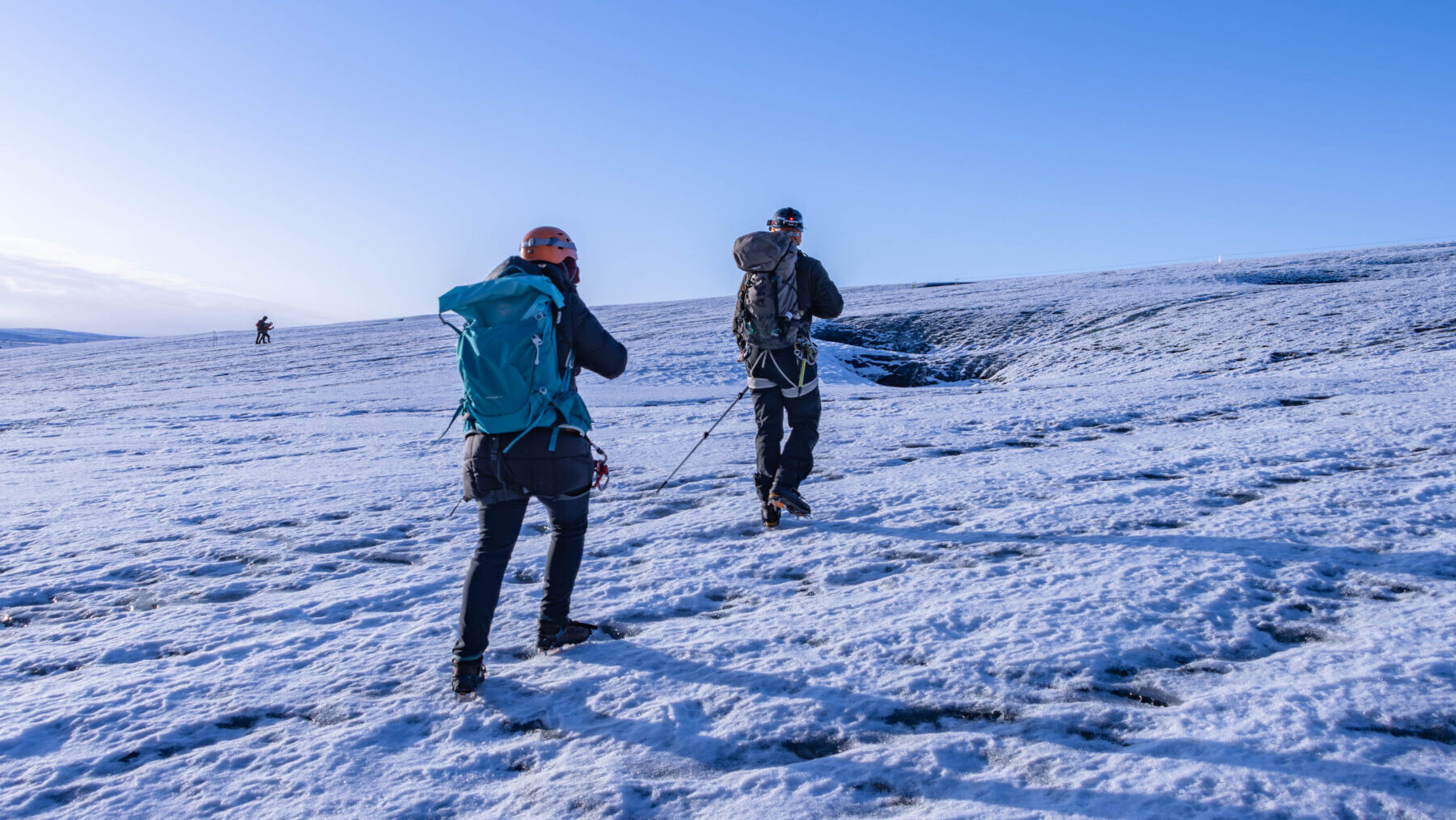
Determined to not contradict the message of the project, James strived to operate as sustainably as possible from pre-production. His research trip to Iceland was carefully considered: travelling by coach to minimise emissions, renting a hybrid car, and avoiding helicopter-based glacier tours entirely – opting instead for Ice Guardians, a company founded by glaciologists committed to protecting the environments they depend on. “Our values aligned,” he says. “They opposed helicopter excursions. That mattered.”
Back home, the production followed the precedent James had already set. The event was hosted on campus, and the set was constructed entirely from materials already available at the university in an attempt to reduce travel and material related emissions. Even disposal was considered as dust sheets and blankets used for the ice cave were later gifted to a local painter-decorator.
James believes immersive media offers a unique advantage in climate communication. “Watching a documentary ends when the screen goes black. But being inside the environment – feeling surrounded – builds empathy in a different way. It lingers.”