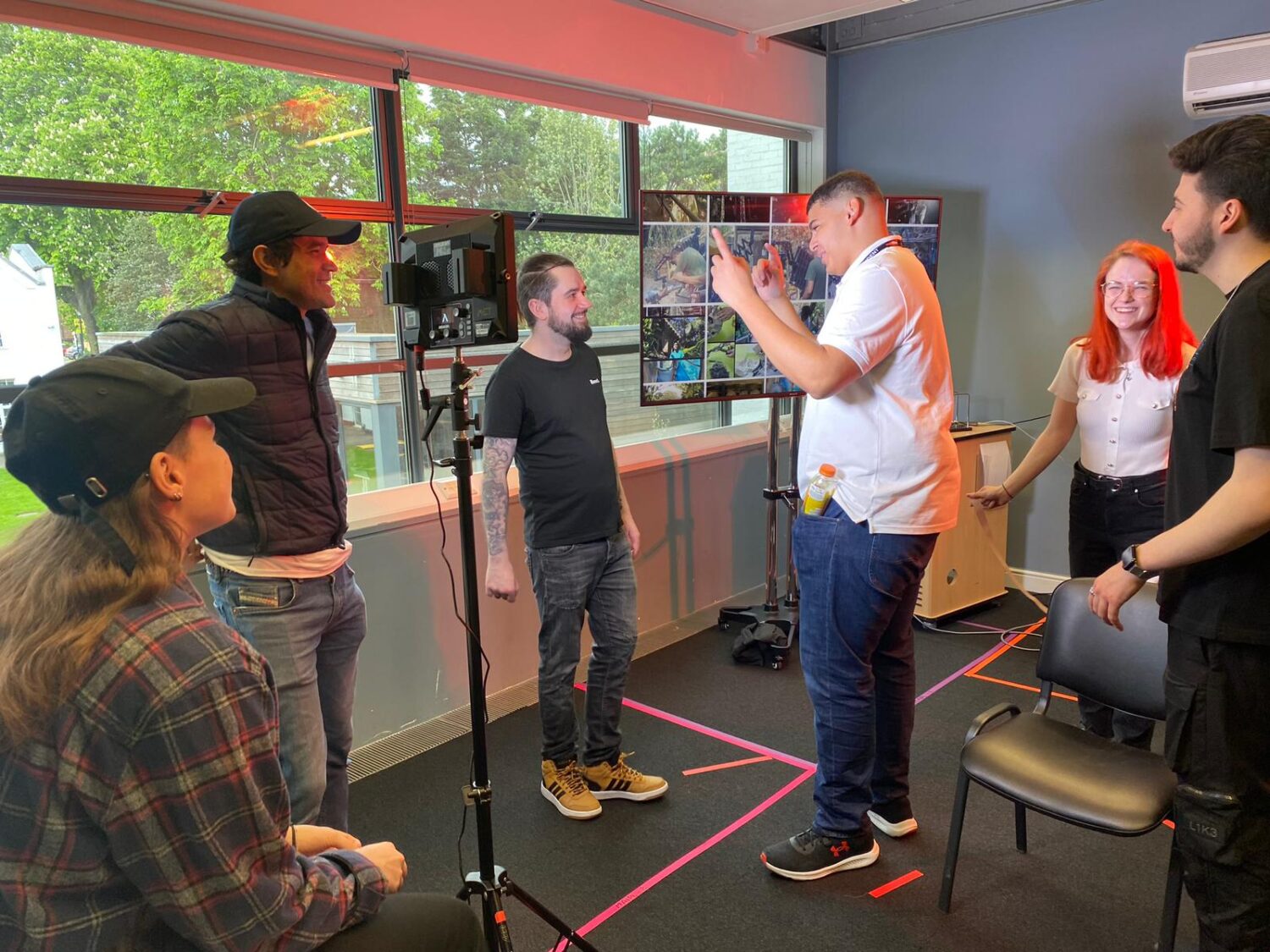
Having lost his job as a chef during the Covid lockdowns, film student Josh Walsh decided to take the opportunity to pursue his passion – filmmaking – by studying at the Met Film School. ‘When I was really little, I was in a wheelchair for about six, seven years and my main source of entertainment was films. “I’d like to think that maybe one day I can make a film that other people out there will just get enjoyment out of like I did when I was younger.”
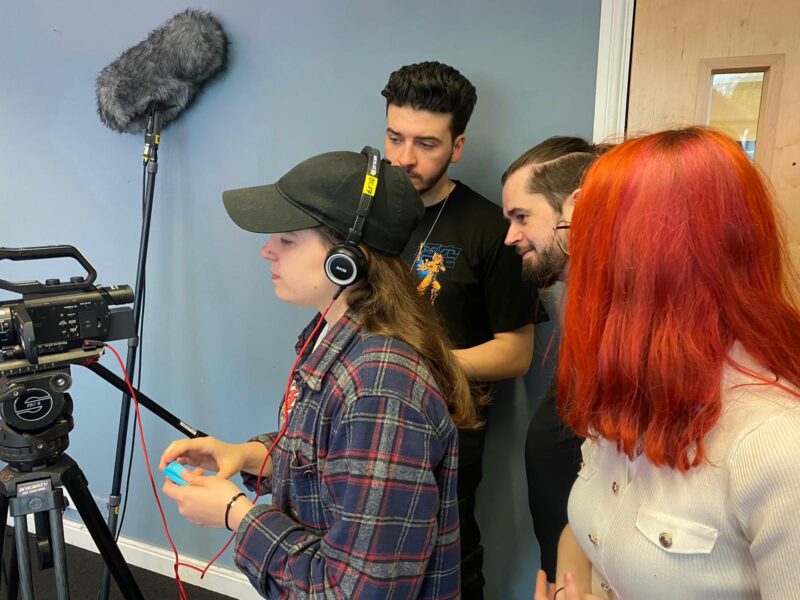
Though on a small scale and having only touched on the climate science in the first section of the albert module, the students knew how important it was to make even small changes while shooting to unite with the sustainability they were talking about onscreen. From reminding the crew to think sustainably on the call sheet, downloading shot lists onto phones, and even turning off a TV in the background of their shot after every take. ‘You don’t have to be intimidated by the data or an expert on the science, you can still be making improvements.’