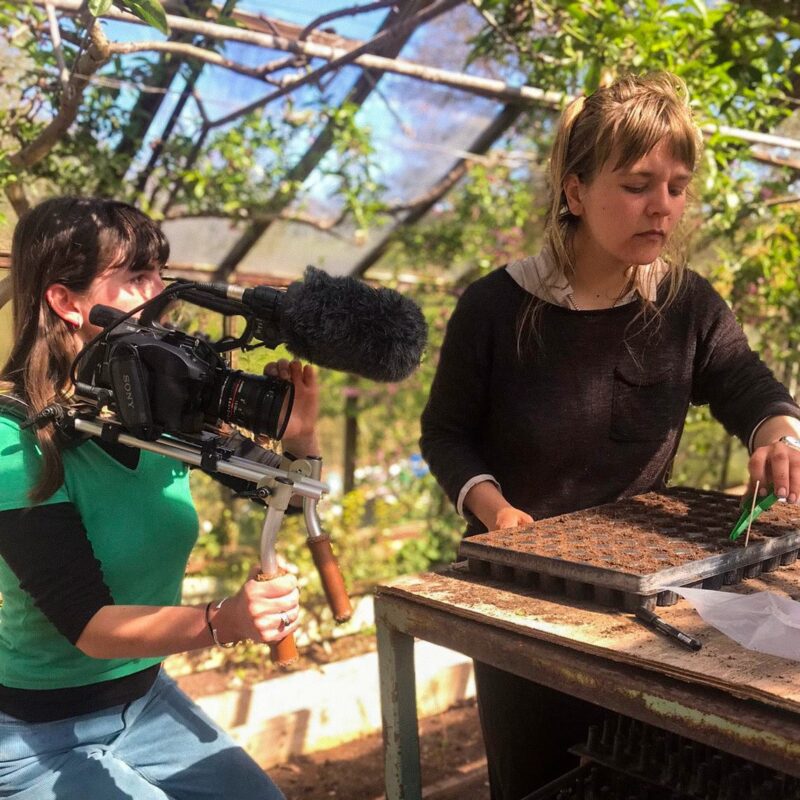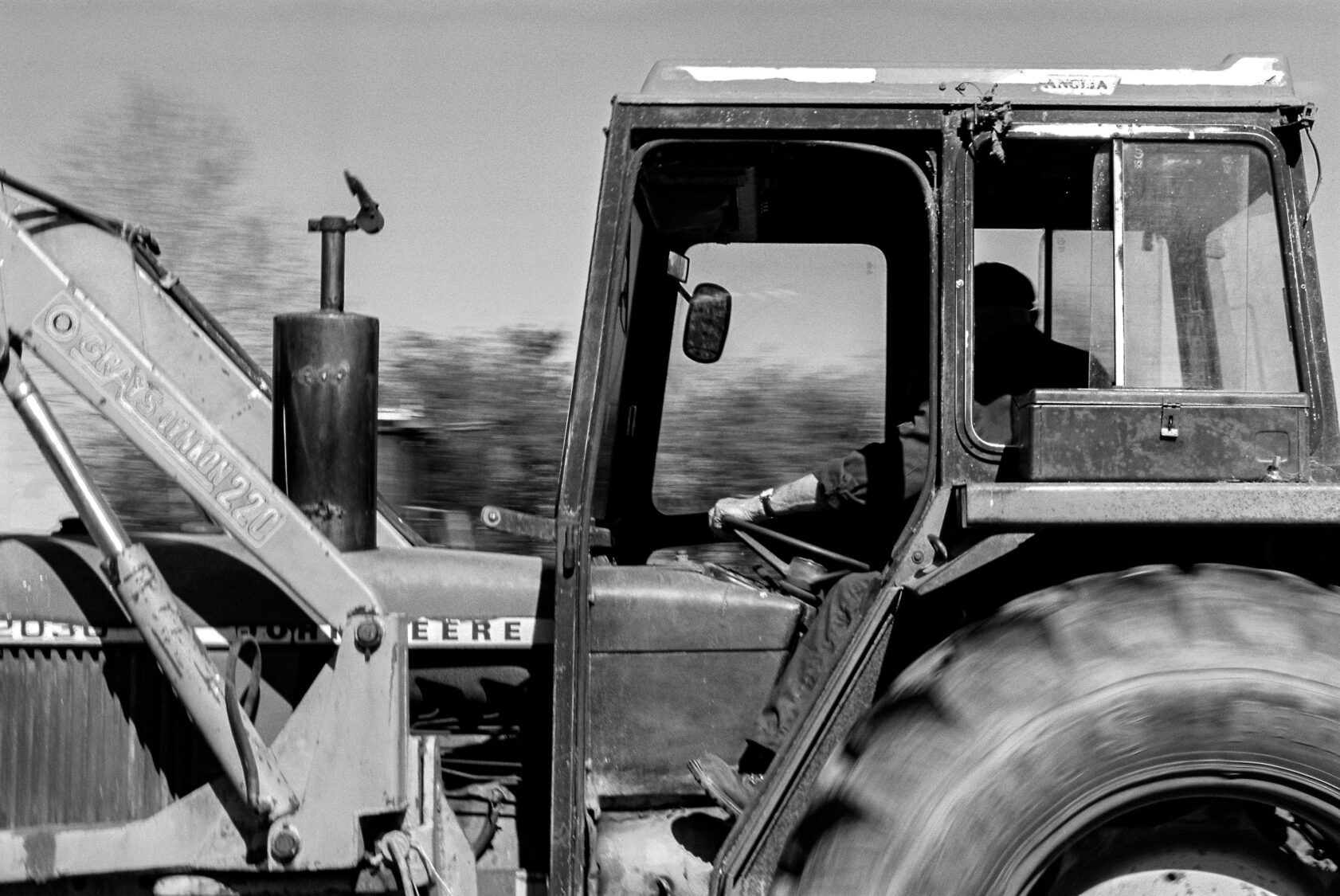
While studying at UWE, Innes created The State of Earth, a short documentary following the organic food movement from its beginnings in the UK as the industrialisation of farming started to happen. ‘I found this female pioneering farmer who I really wanted to share the story of – it was important to me in quite a male dominated industry to create a diverse message. I wanted to project a female character but then it became so much more than that. It became about sharing a positive message about a change that people were making in the farming sector.’
The team started their journey by looking for archive footage to tell the story of Lady Eve, who in the 1950s founded The Soil Association, an organisation that has come on to transform the way Britain eats, farms and cares for the natural world. ‘It’s crazy how much footage is on people’s drives and hanging around, and you just have to reach out and ask people and they are often willing to help.’ Pursuing archive footage in fact offered the biggest leads for the production, as the team discovered characters who knew Lady Eve and were able to speak to them directly.
Of course, making a film so closely connected with the environment obviously meant the team wanted to make the production itself sustainable. Their efforts included staying overnight for consecutive shooting days – ‘and for us that was all the better because we really got to immerse ourselves in these beautiful locations.’ Using rechargeable batteries, prioritising archive footage and getting the whole team involved were also key. ‘If there was a problem, we always thought, “how can we resolve it in the most sustainable way.”’
‘There’s not one positive action in farming,’ Innes says of the holistic nature of farming – something it shares closely with sustainability in general. ‘We wanted to leave this message of how important it is to support good growing. That is in effect supporting biodiversity, soil health, carbon sequestering – there are so many trickling down points of impact from that one action.’